Inside Kaleidoscope Recording Studio
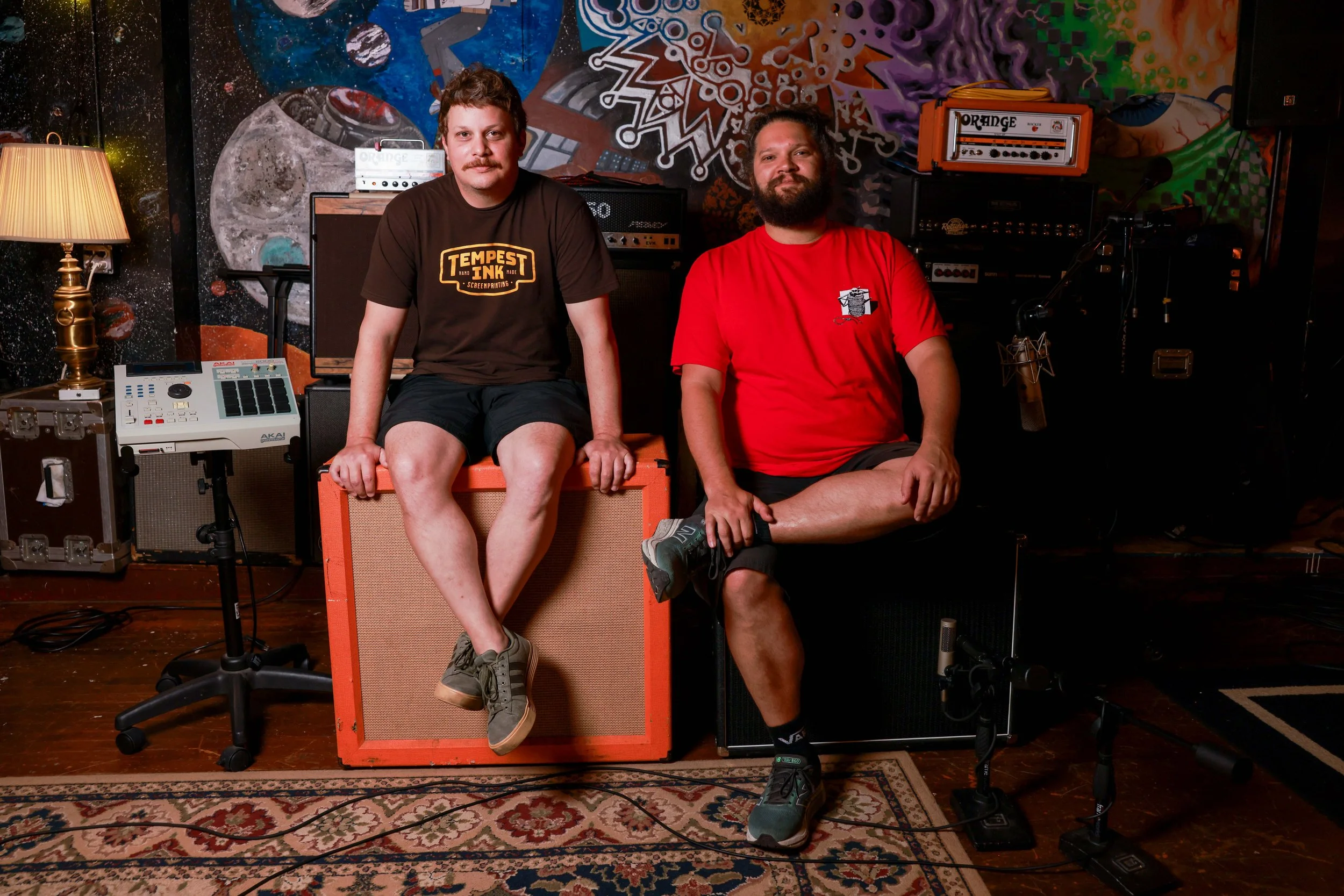
In February of 2015, Jon Smith and Ben Roth did not set out to build one of Lancaster’s most trusted recording spaces. At least not at first. The idea was simpler, looser, and more romantic in the way many great music stories begin: a few musicians, a little gear, and the need for a room where sound could stretch out.
Smith, who had been living in York, was looking with friend Korey Gable for a place to set up equipment, experiment, and make music without limitation. Roth, meanwhile, had been recording bands in his basement and was ready for something larger, something with more possibility. When the space that would become Kaleidoscope Recording Studio appeared, the idea quickly shifted from casual creative hideout to something with real professional potential.
Lancaster made sense. At the time, the city’s music scene had a current running through it. The Chameleon Club was still active just down the street, and the city felt alive with bands, performance rooms, and possibility. For Smith and Roth, Lancaster offered something New York did not at that moment: room to build, room to listen, and room to become part of a growing creative community.
The studio’s beginning was immediate. After signing the lease, they moved gear into the building in the middle of a bitterly cold night. The next day, a band was already making a record.
That first rush has never really left the place.
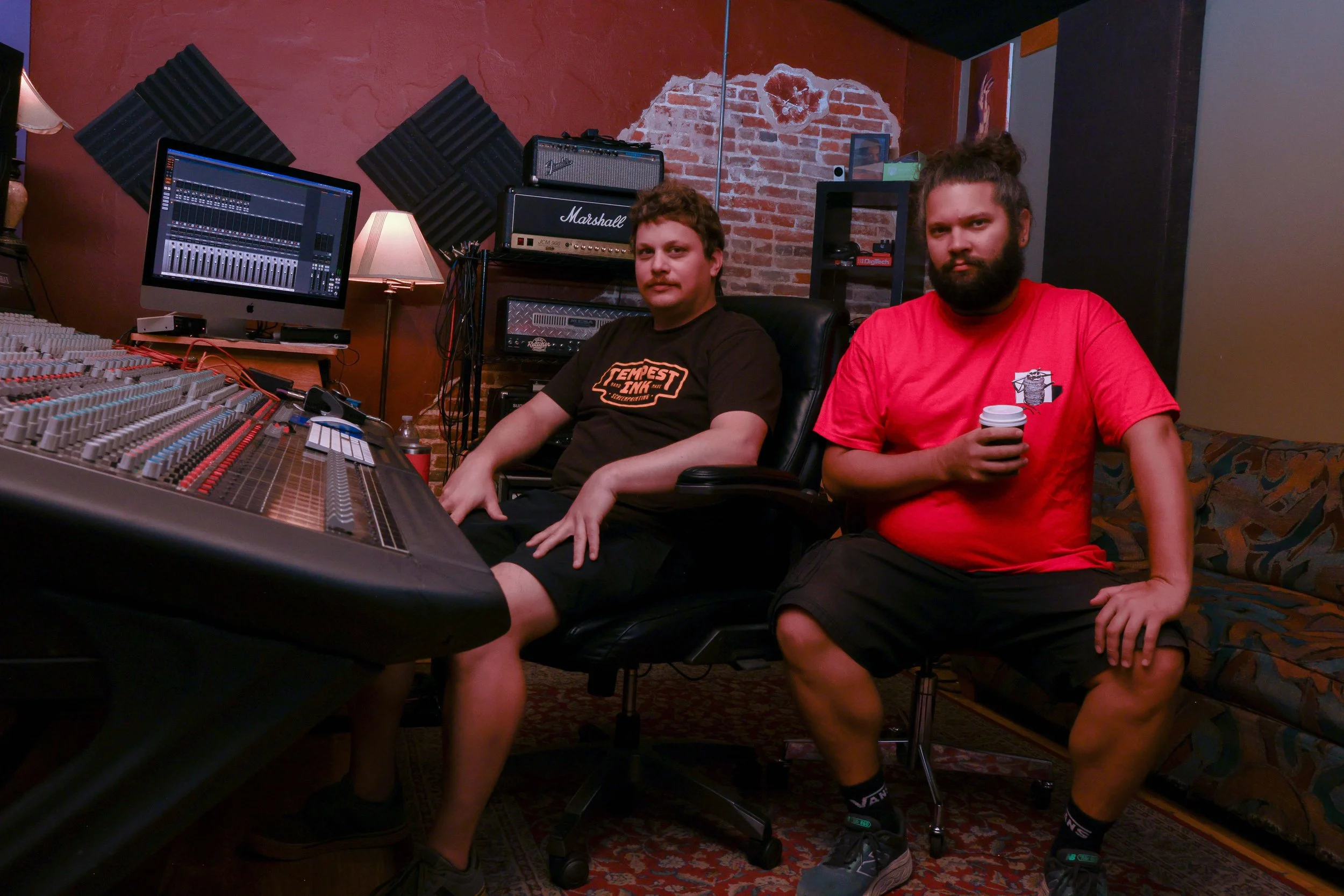
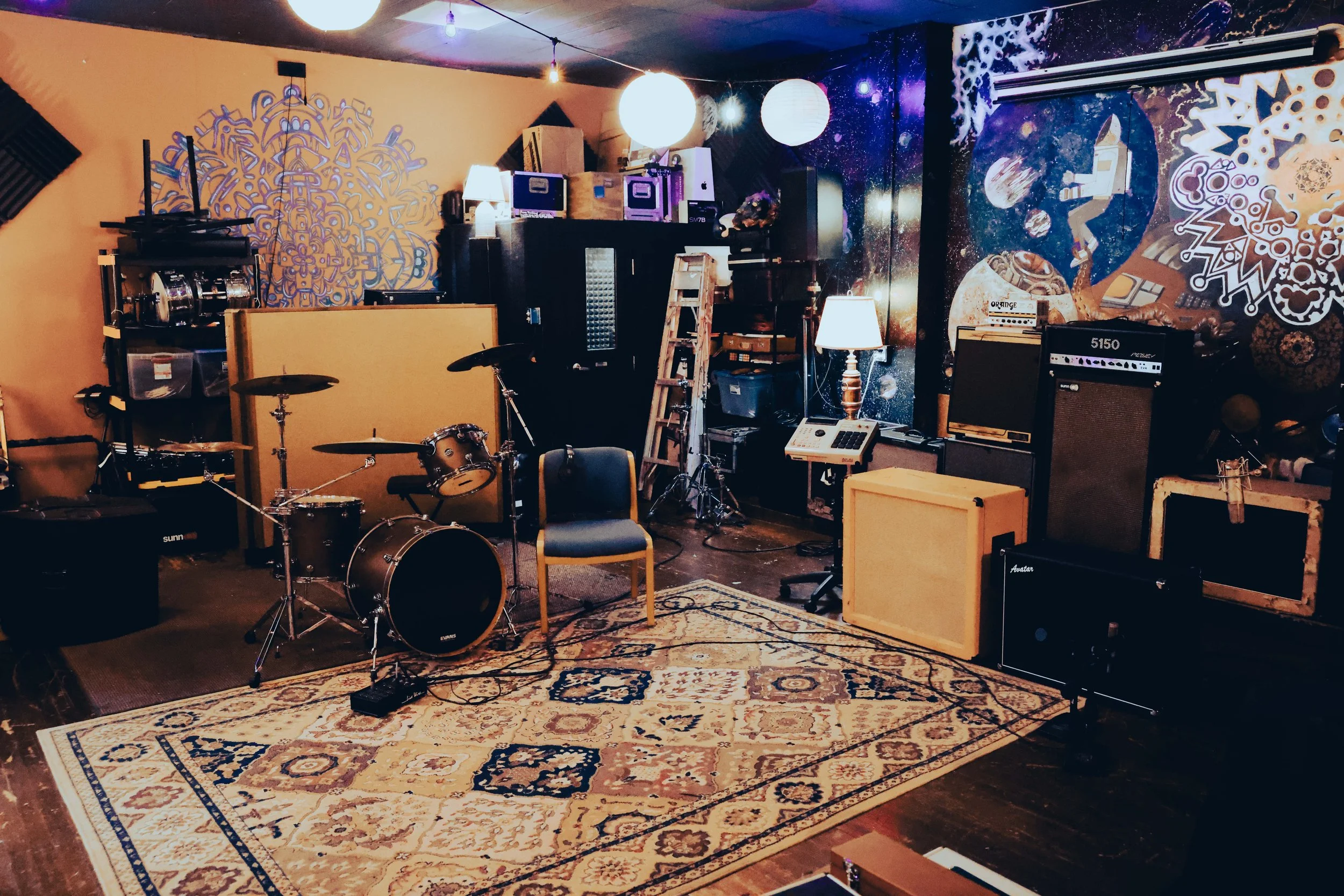
Over the years, Kaleidoscope has welcomed a wide range of artists and projects, from regional bands to nationally recognized acts. Among the names that stand out for the owners are Mid Rats and Pittsburgh’s Punchline, a band with a national following. But part of what defines Kaleidoscope is that Smith and Roth do not see the studio as a place boxed in by genre. Rock bands, hip-hop artists, acoustic projects, chamber music, commercial work, and stranger experiments all have a place here, provided the artist arrives with intention.
“For me, it’s all situational,” Smith says. “The genre is not necessarily something that will make the decision for me. If somebody approaches me with an idea that is thought out and presented well, there are no limitations for what I would work on.”
That openness has led to some memorable sessions. Smith recalls a one-man-band Irish project called Hooligan Jack, a recording unlike anything they had worked on up to that point. Roth points to a Lancaster Chamber of Commerce project that brought in unusual percussion, cello, and textures far outside the rock and hip-hop sessions he had mostly been doing at the time. The result was music designed to open an event, build energy, and create a sense of occasion.
Those projects speak to the studio’s larger personality. Kaleidoscope is not merely a room with microphones. It is a place where ideas are translated, tested, expanded, and refined.
For bands coming in to record, the process begins long before the first take. Smith and Roth prefer a conversation first, whether at the studio or over coffee or a beer. They want to understand the songs, the expectations, the budget, and the personality of the project. Demos help when they are available, but the larger goal is to make sure everyone is moving toward the same result.
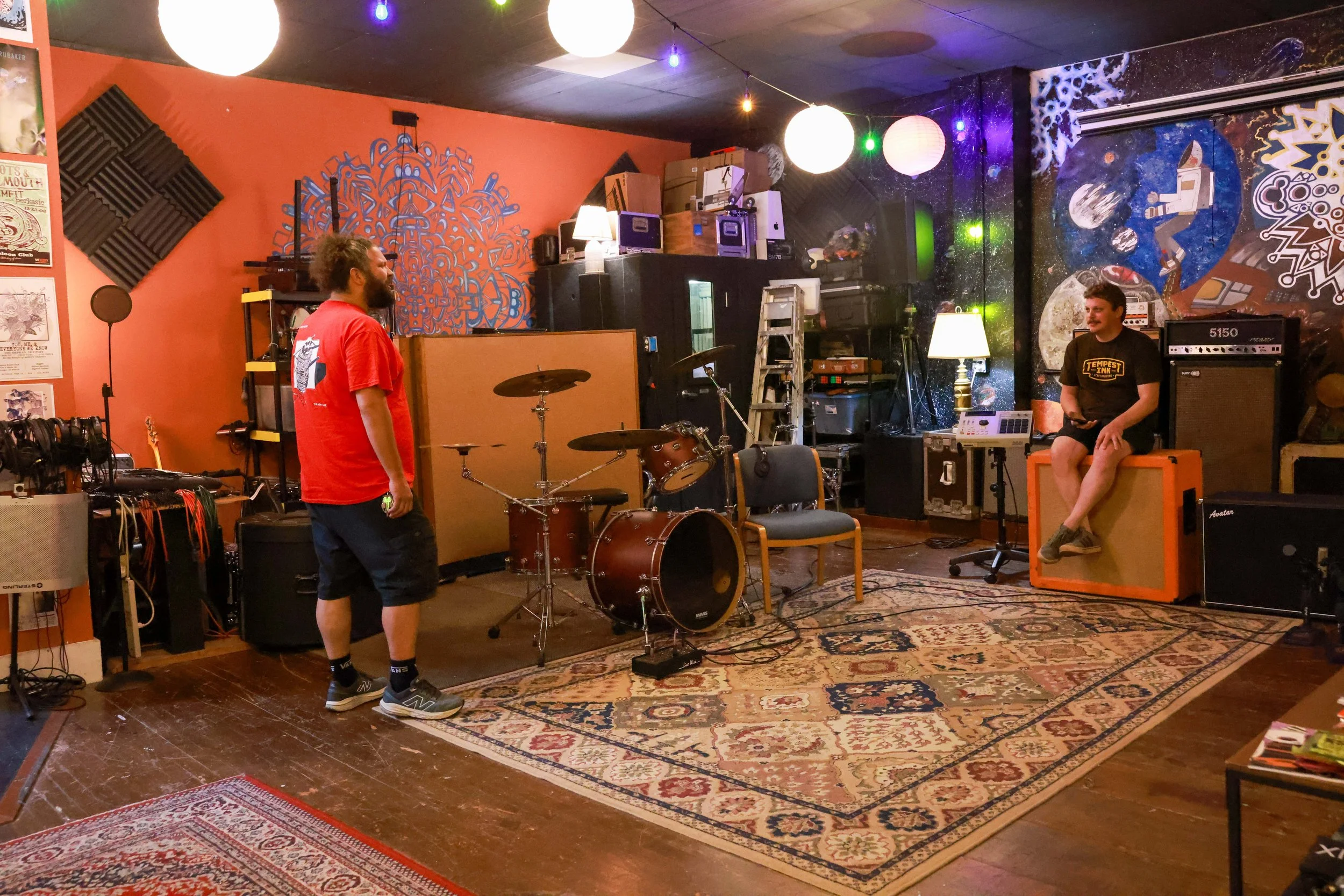
Once the recording begins, the process follows the shape of the music. Drums often come first, followed by bass, guitars, keys, vocals, and additional instrumentation. But neither owner speaks about recording as a rigid formula. Some singers need to pace their vocal sessions. Some songs require jumping between guitars, harmonies, auxiliary percussion, keyboards, and vocals. Some budgets require efficiency. Others allow for exploration.
That flexibility is part of the craft.
“It’s always dependent,” Smith says. “Everything is a little different.”
For artists trying to understand the investment, the studio’s starting point for a single song is typically a full day, currently $500 per day with a minimum of one day per song, with the understanding that the project can be adjusted depending on what gets done and what the song still needs. For a band testing the waters, it is an approachable entry point into a professional environment.
Smith and Roth are also musicians themselves, and their involvement often extends beyond engineering. They regularly participate in recordings when the project calls for it, adding parts, shaping arrangements, and helping artists find the missing element. Some projects even arrive in pieces, with musicians from across the country sending tracks remotely while Kaleidoscope brings everything together in Lancaster.
Still, nothing is forced.
“The worst thing that happens is somebody says, ‘No, that’s not what I want,’” Roth says. “And we figure it out from there.”
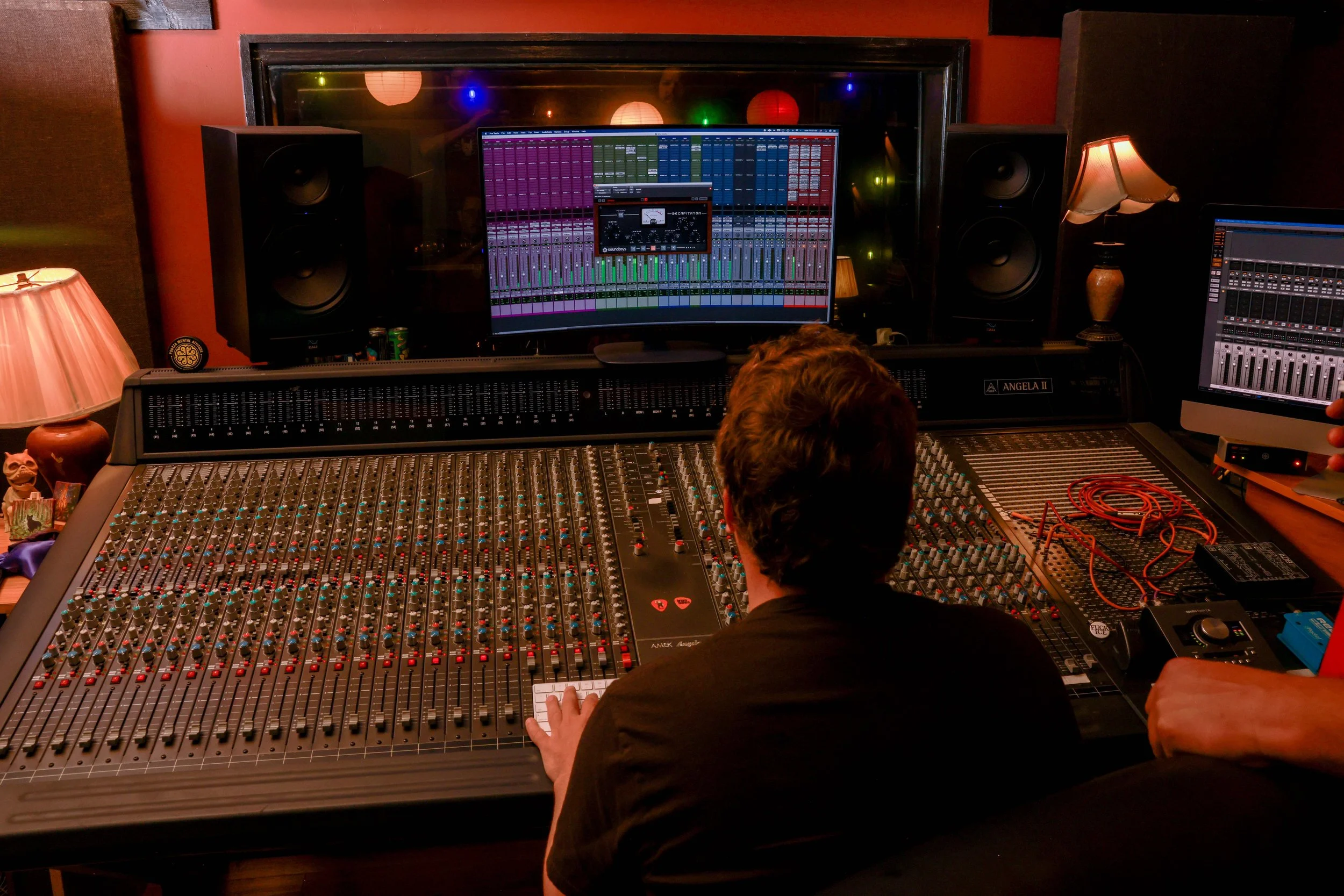
That attitude may be the real signature of Kaleidoscope Recording Studio. It is professional without being precious, ambitious without being intimidating. Smith and Roth have built a studio where artists can walk in with a finished vision or the fragments of one, then work with people who understand both the technical and emotional sides of making a record.
In a city with a long creative pulse, Kaleidoscope has become the kind of room every music scene needs: serious enough to make great records, relaxed enough to let artists be themselves, and open enough to follow the song wherever it wants to go.
For musicians looking to record, the invitation is simple.
“We’re easy to find,” Roth says. “Go ahead and reach out. Let’s make some awesome stuff together, and have a ball.”
Kaleidoscope Recording Studio can be reached through its social media pages or by email at thekaleidoscoperec@gmail.com.